


The Consecration of the Church of the Holy Cross in South Iceland

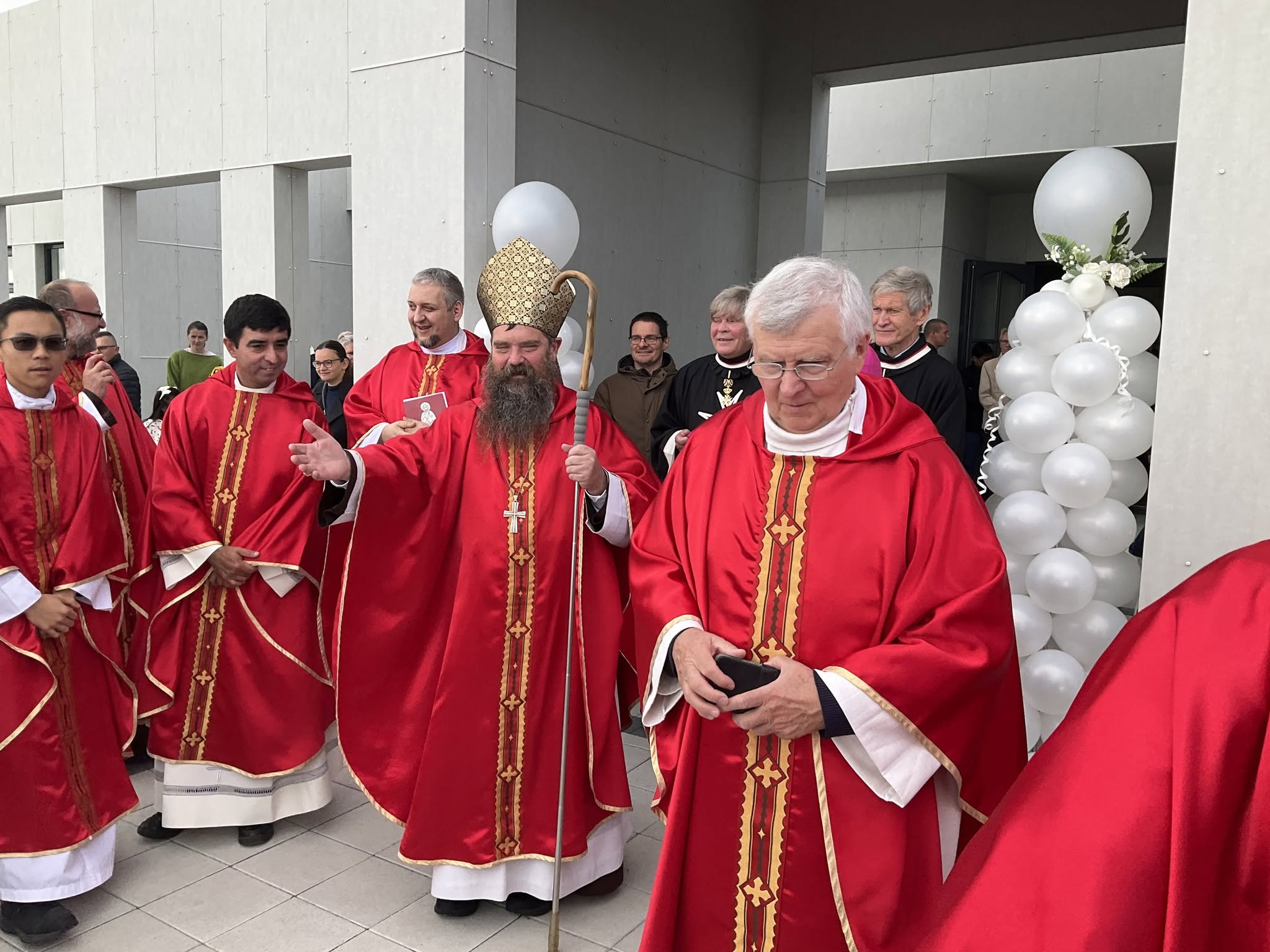
Saturday, September 5th, was a day of great joy in our diocese.
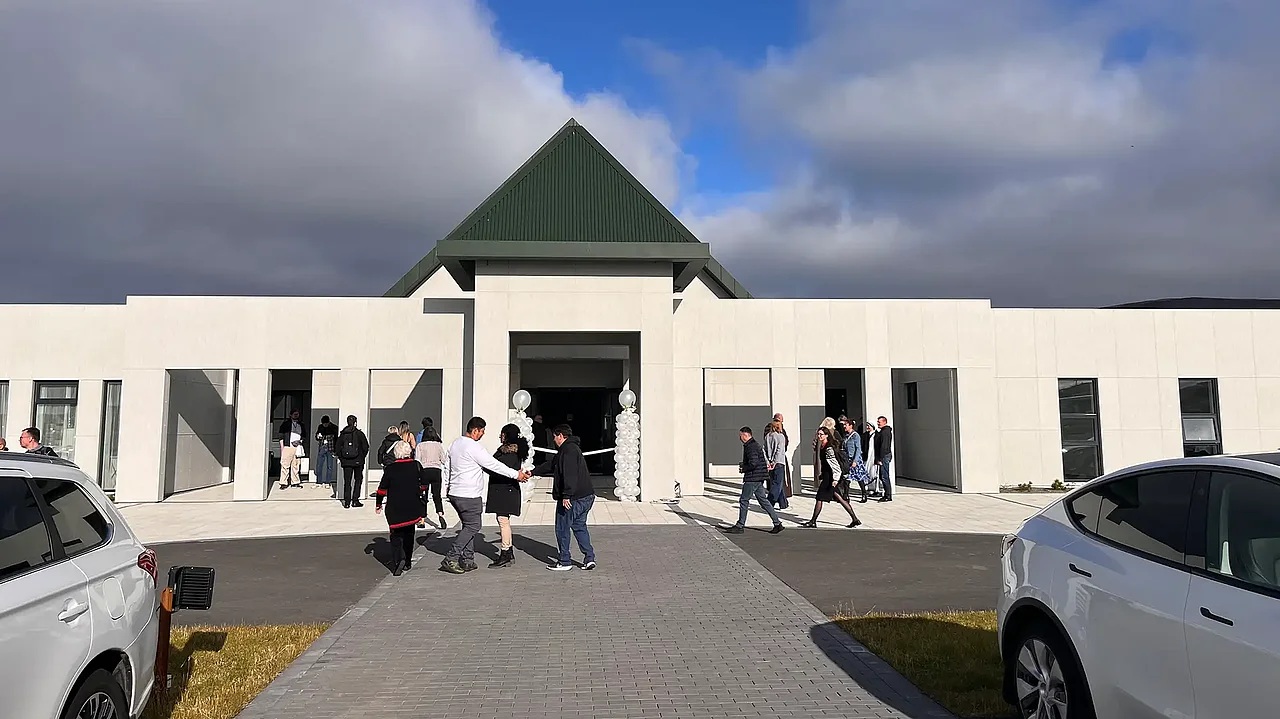
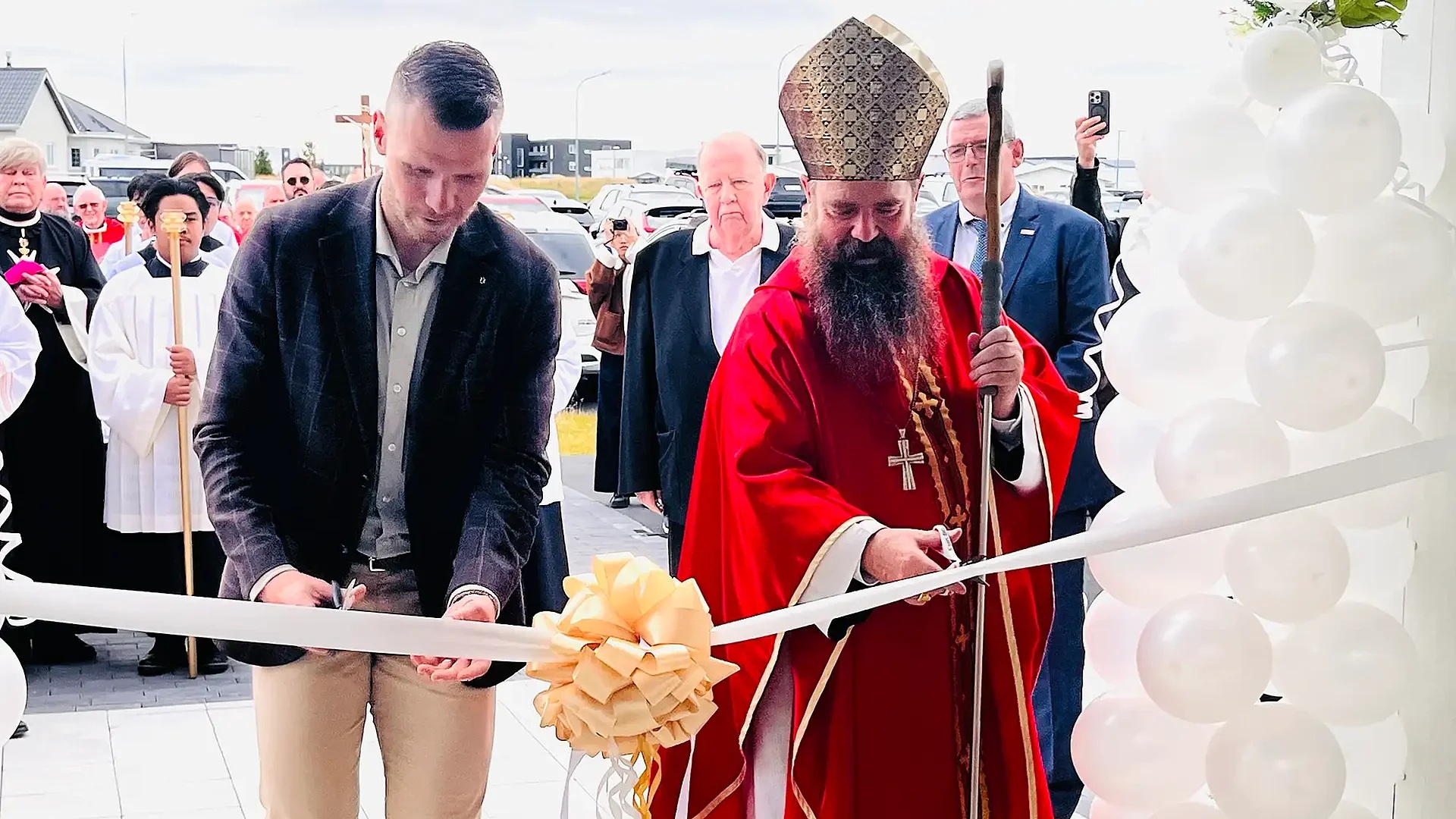
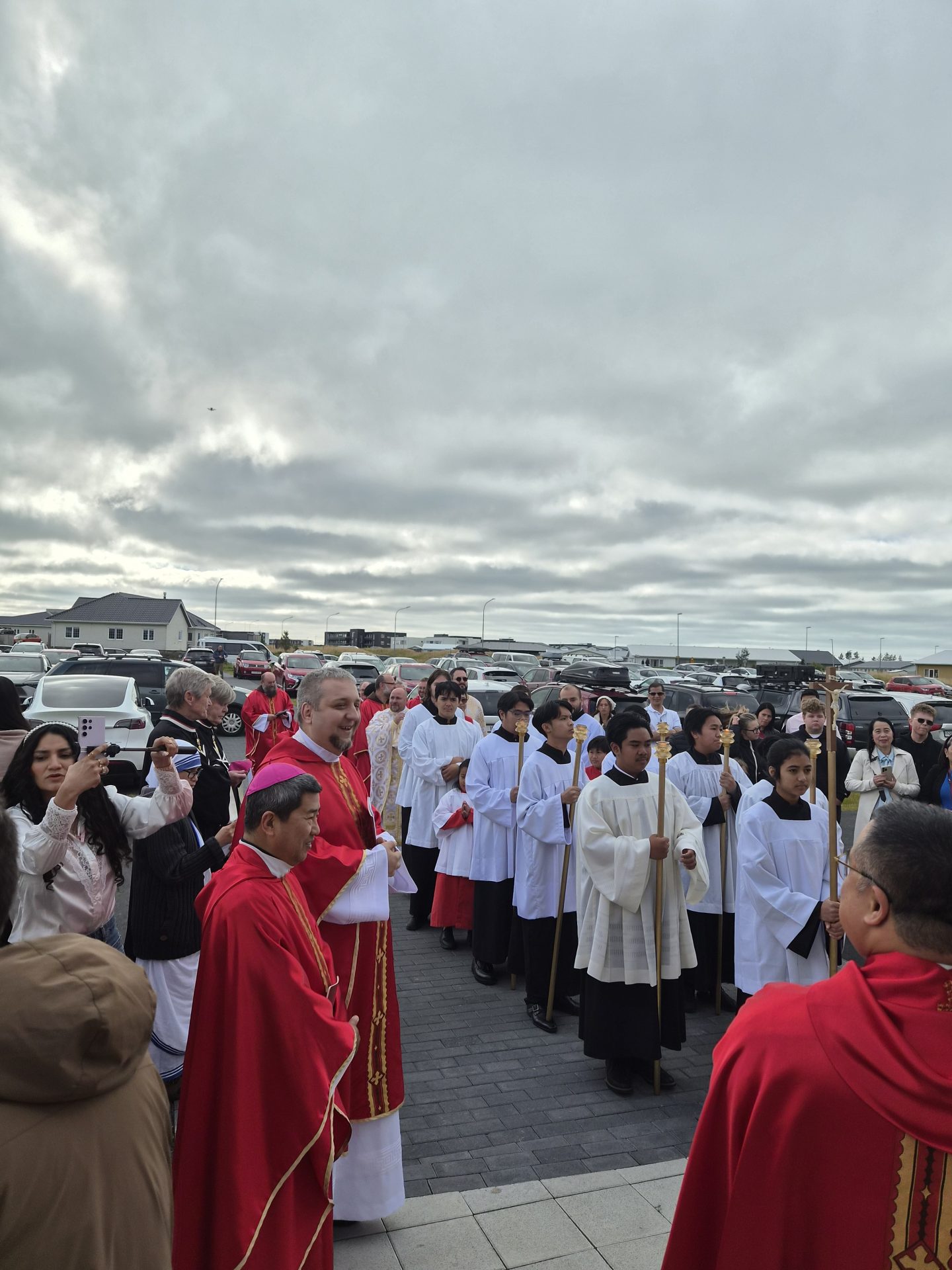
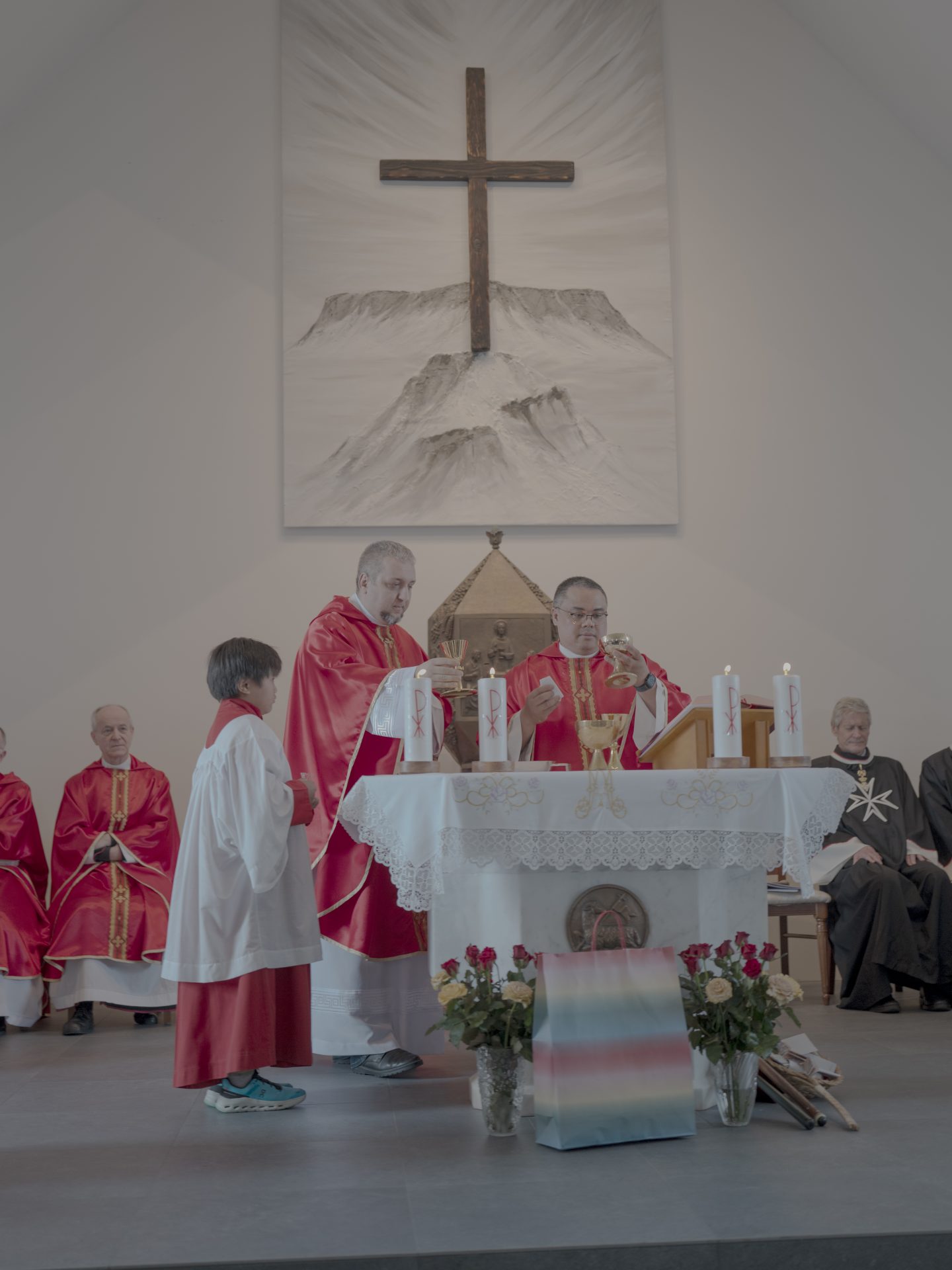
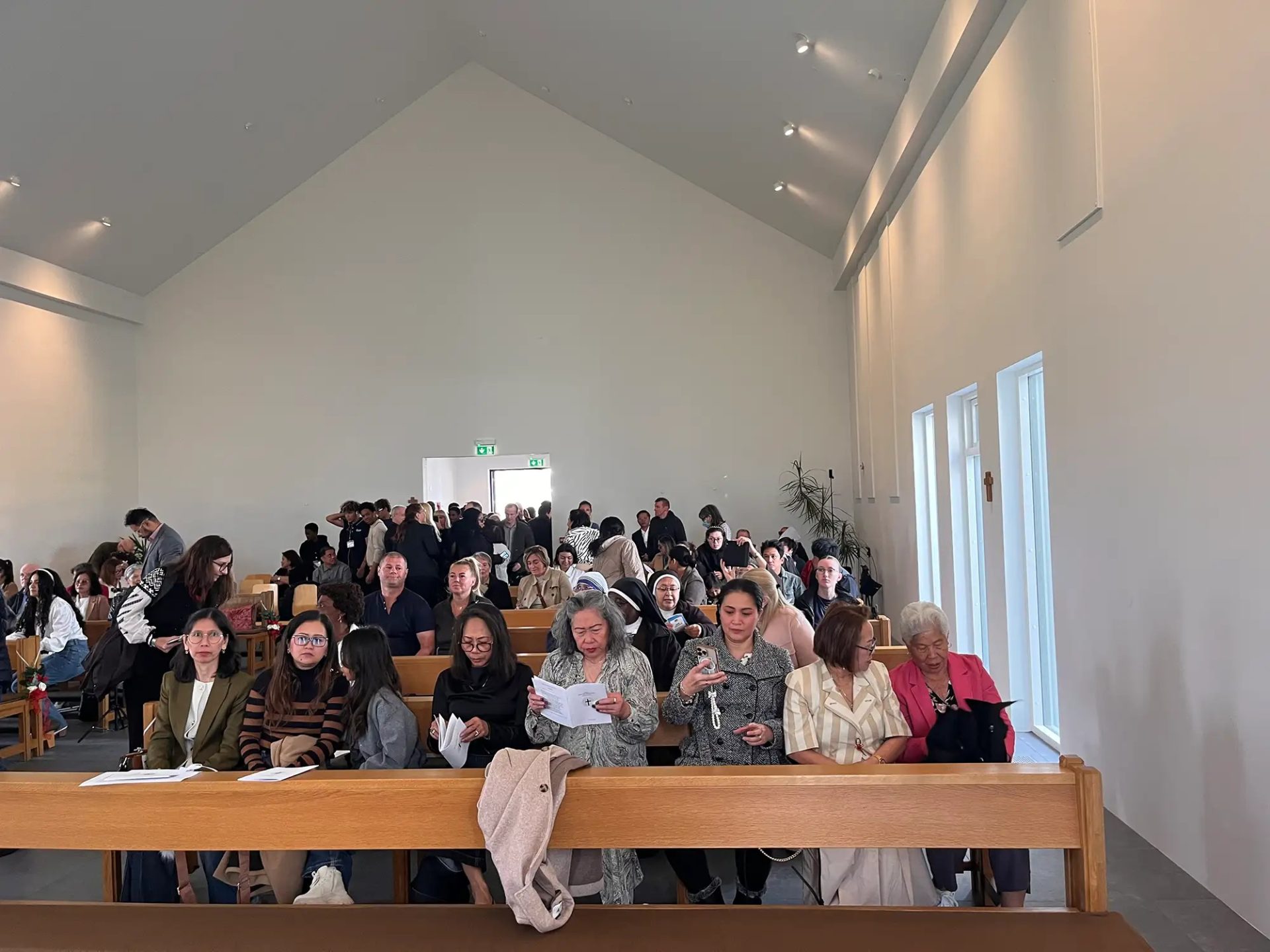
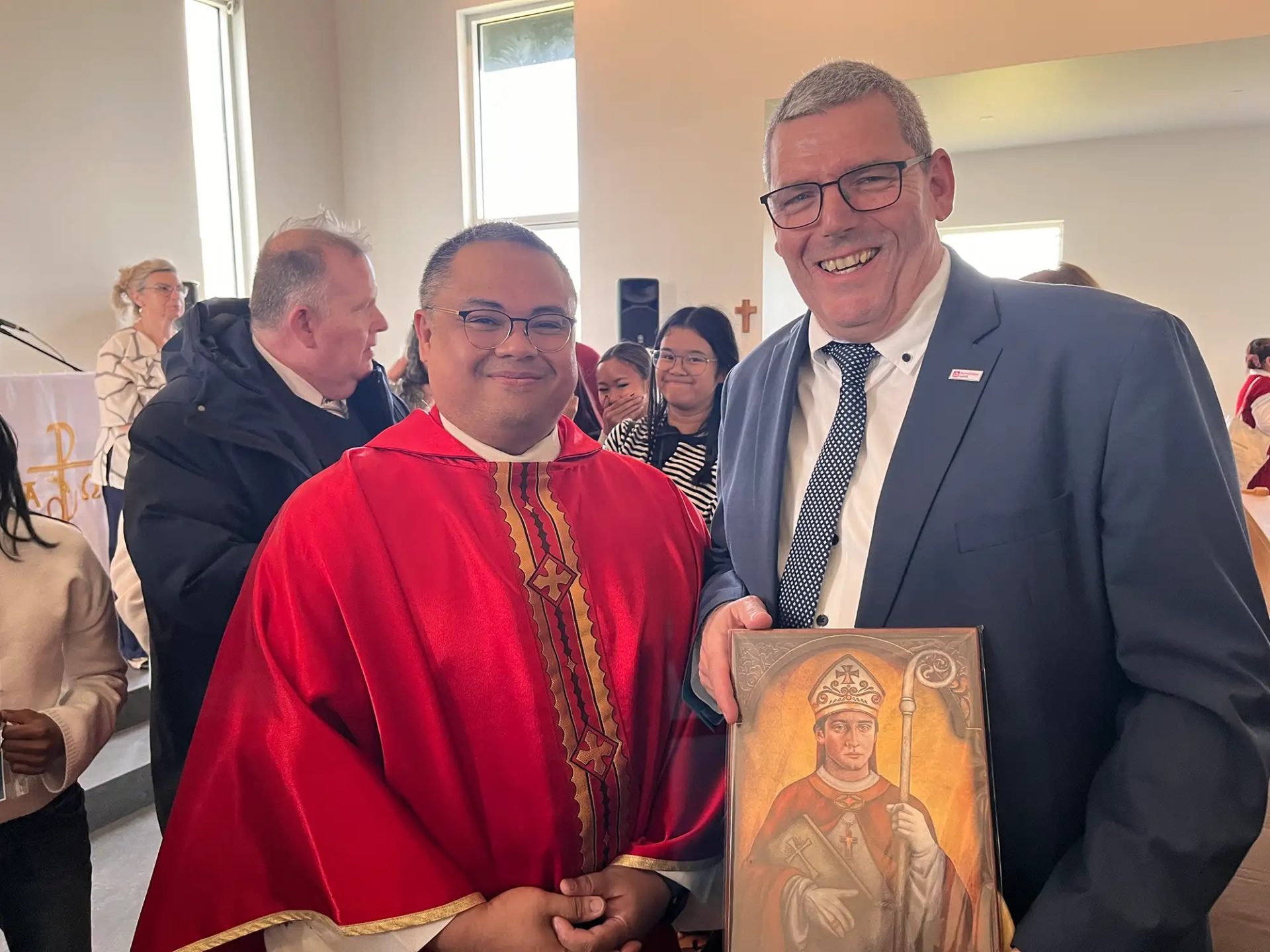
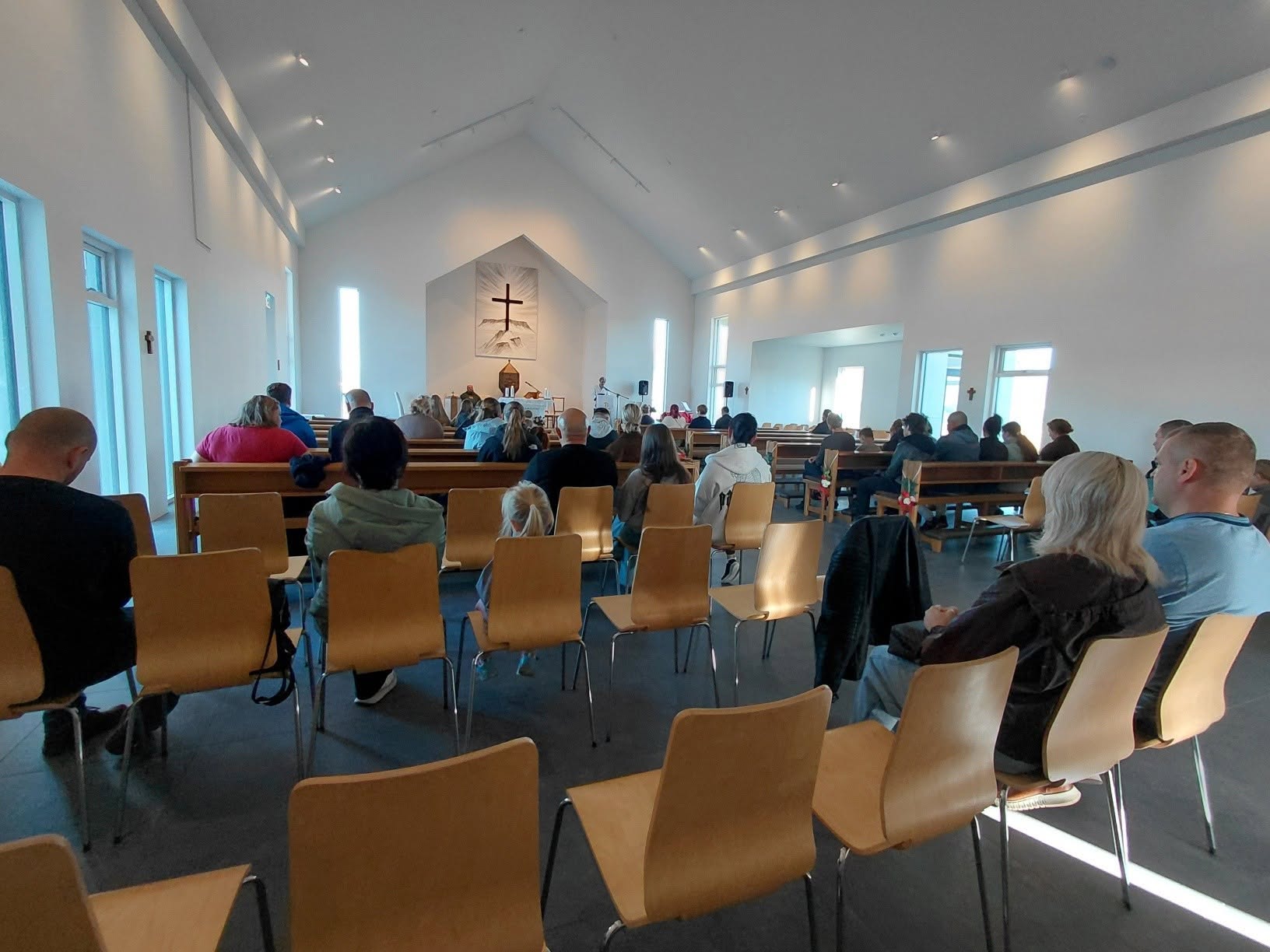
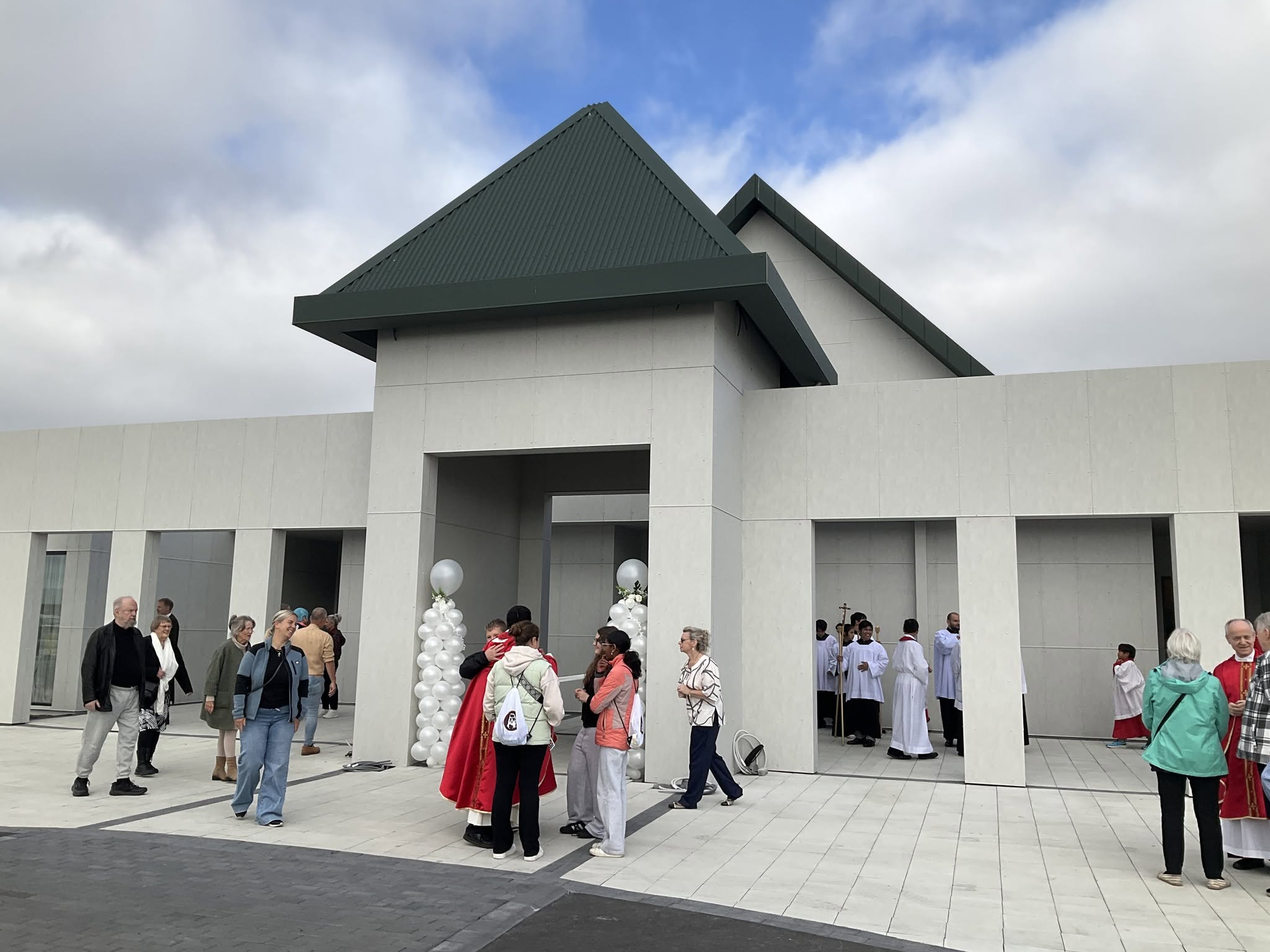
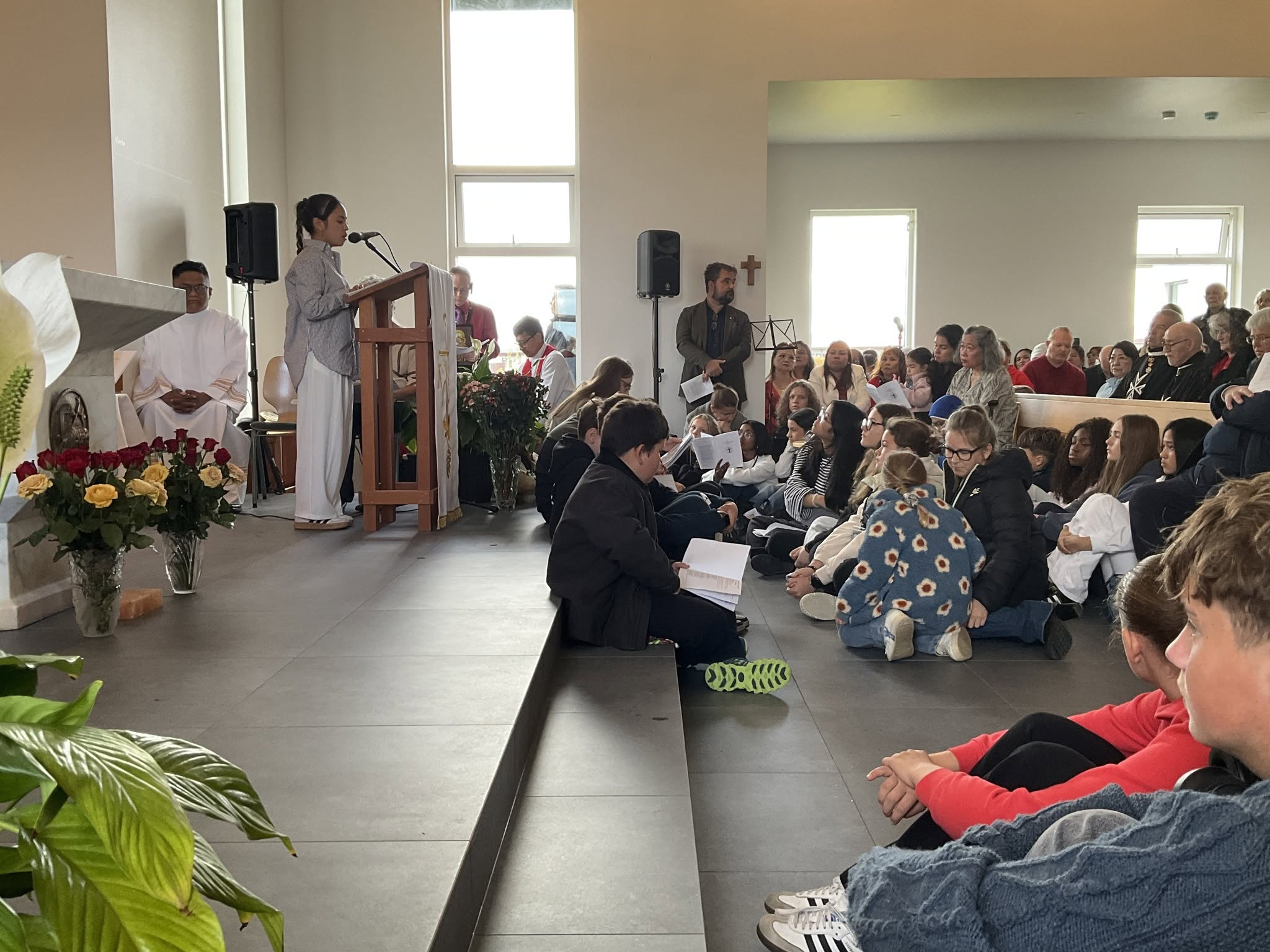
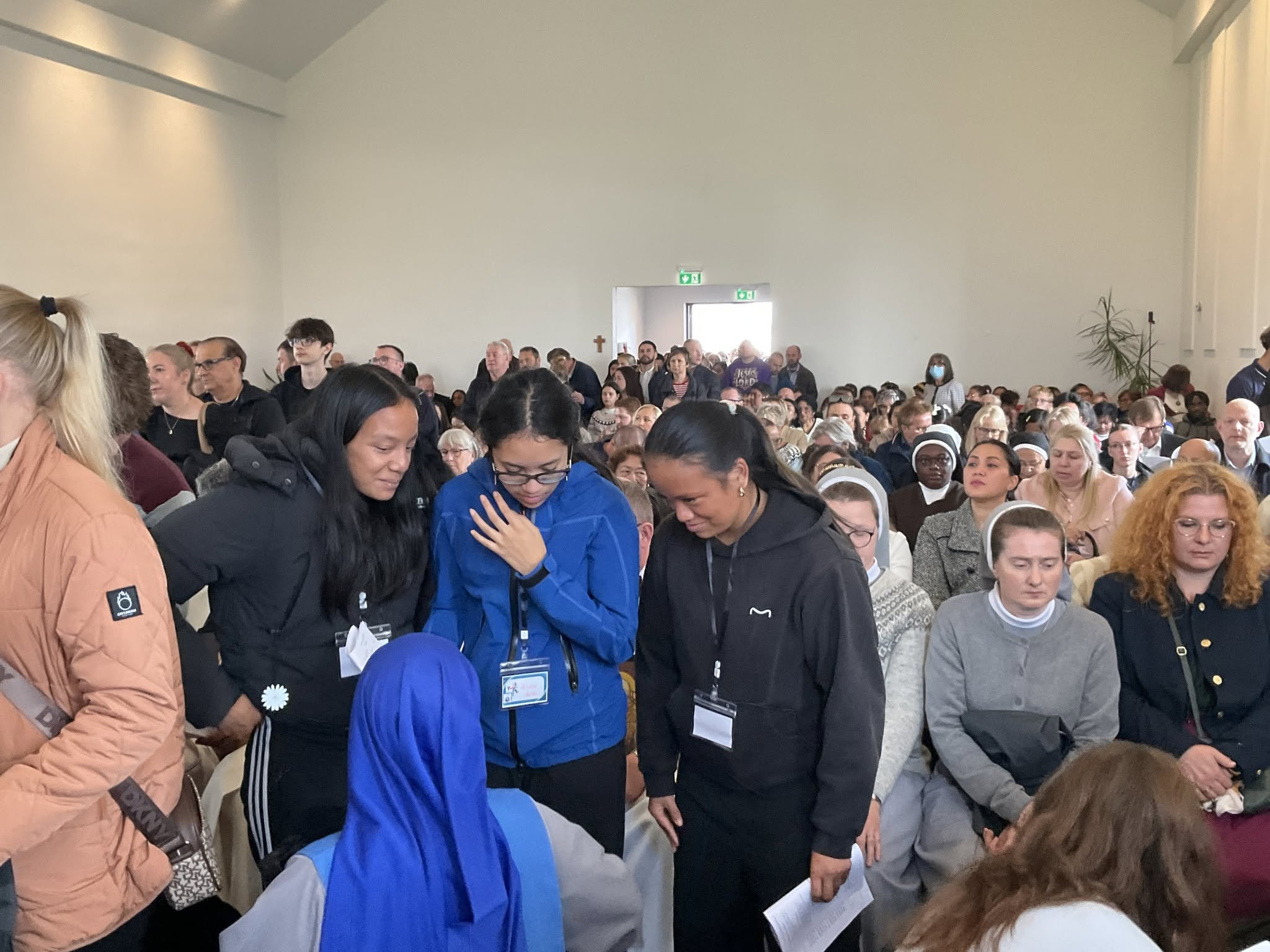
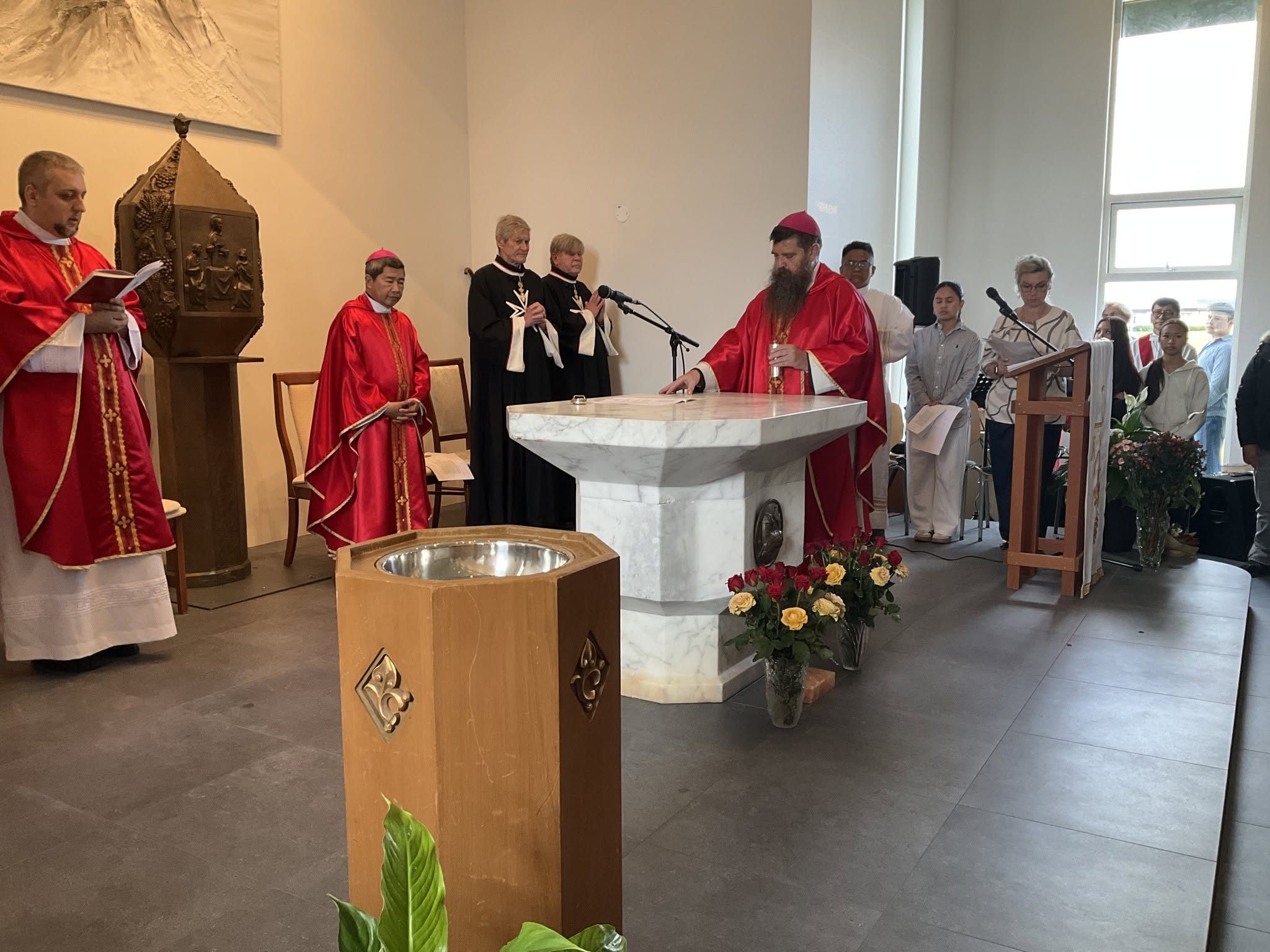
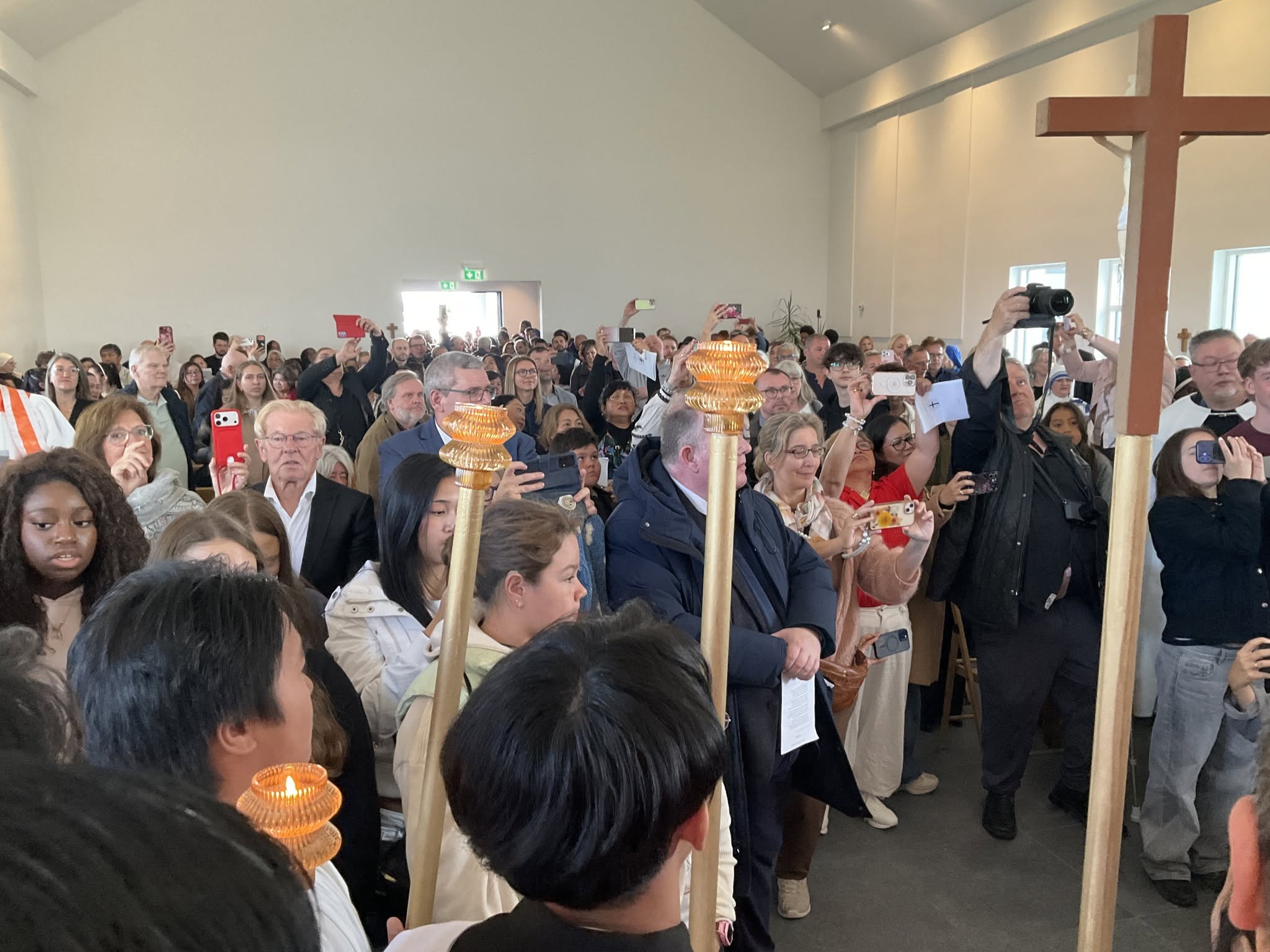
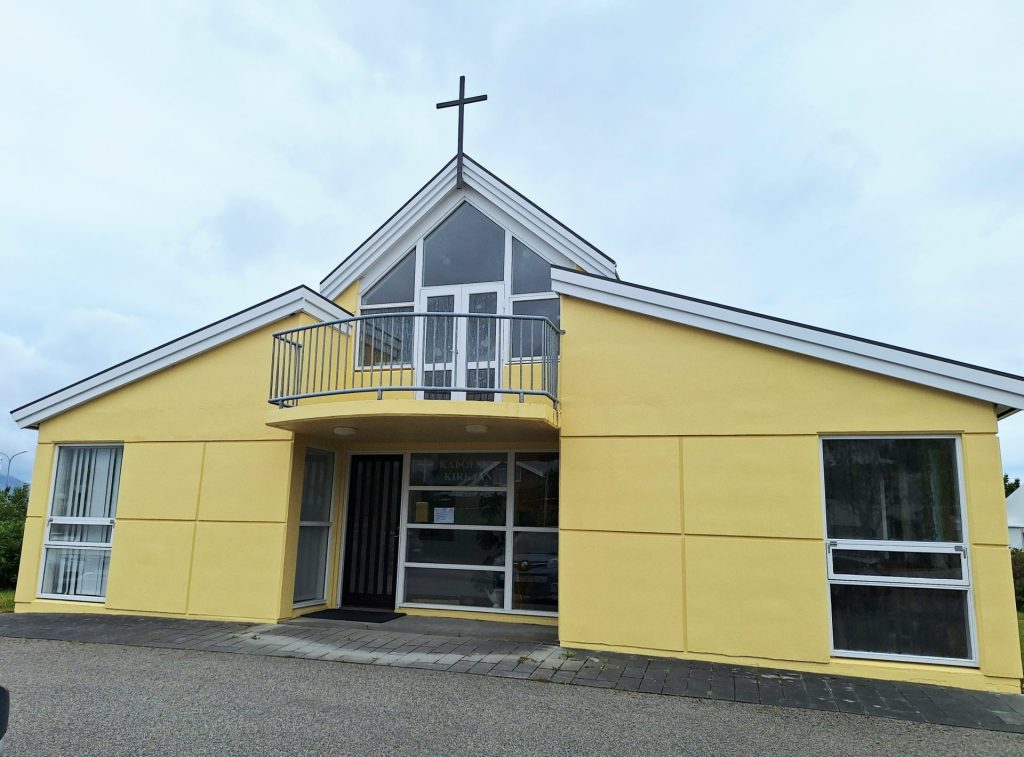
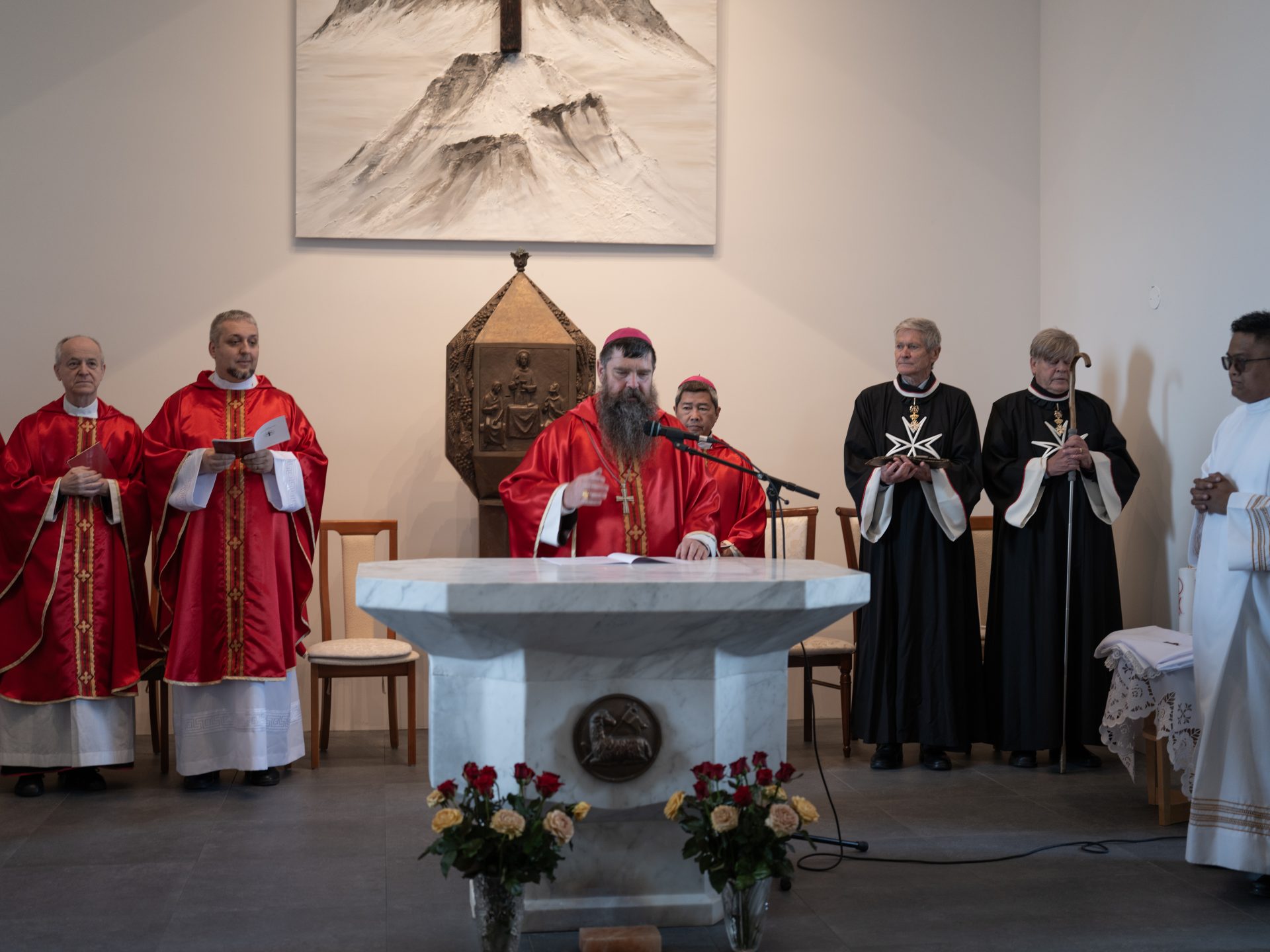
About 600 people gathered in Selfoss in South Iceland to witness the consecration of the Church of the Holy Cross. The newly built church stands in a beautiful location, at Móaveg 4, not far from the banks of the Ölfusá River.
That same day, we also held a successful Youth Day in Selfoss, where our young people gathered in pleasant weather.
Below you can read Bishop David B. Tencer’s Pastoral Letter on the occasion: (in Polish below)
Dear brothers and sisters,
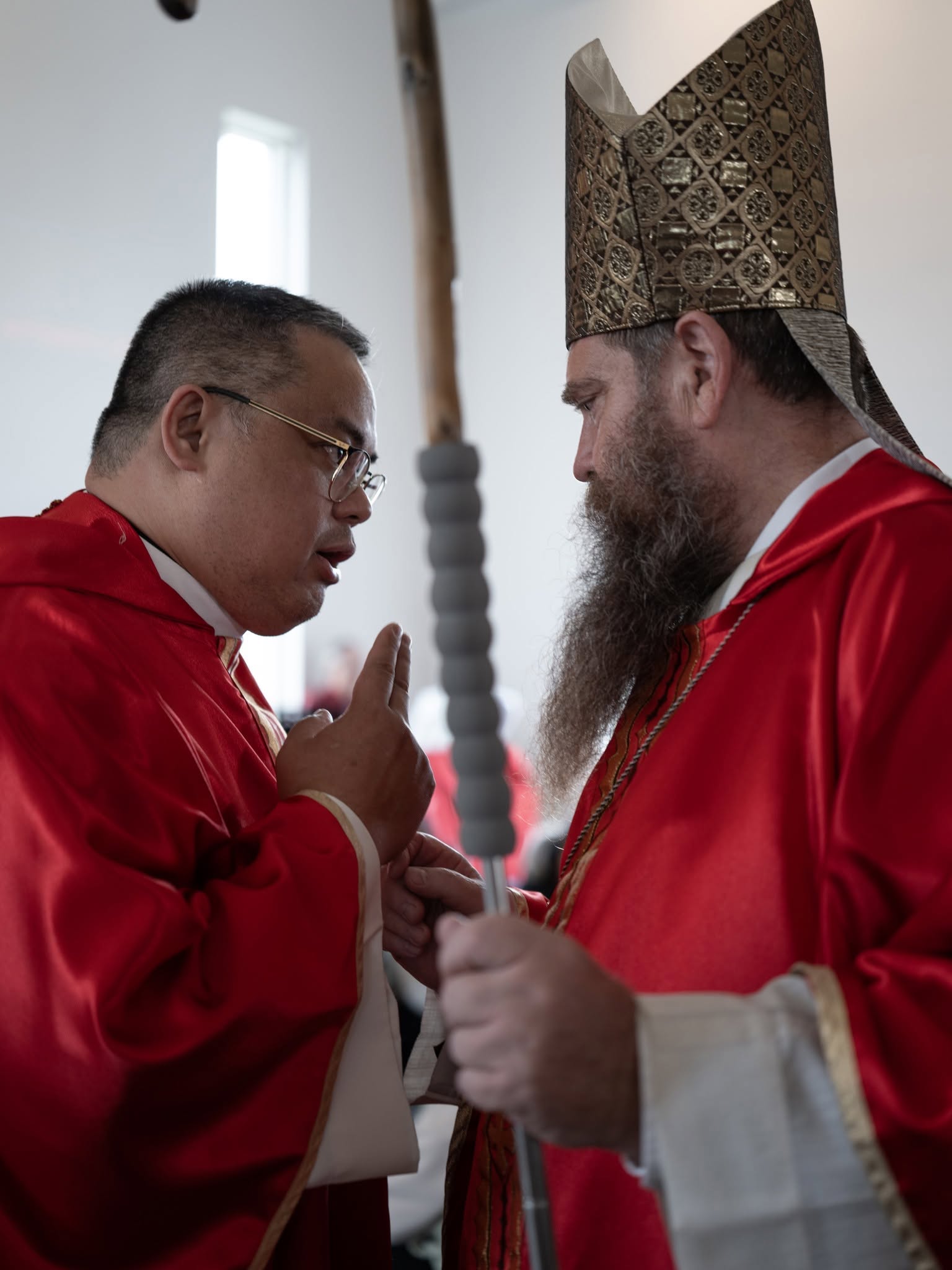
Yesterday, with great joy, we consecrated the Church of the Holy Cross in Selfoss. The consecration was attended by a great multitude of our dear faithful, guests, and benefactors, without whom this great work would not have succeeded. Together, we thanked our God for this great gift.
In the congratulations and speeches, it was mentioned several times how glad we are that this work has been successfully completed. And here, I would take the liberty to say that I deeply disagree! No, I cannot agree with this, because our goal was not merely to build a new church building. Our ambitions are much higher! Our efforts and the financial resources spent would be in vain if it were to end here. A mistake! In fact, this is where it all just begins.
Someone compared projects similar to ours to a woman knitting that beautiful Icelandic sweater known as lopapeysa. If I may use this comparison, I would say that we are truly still only at the very beginning of the knitting endeavor!!
Our goal was not to build a new church building. Our goal was, is, and always will be to build a living Church. A Church similar to the one born during the celebration of the first Eucharist in the Upper Room and which shone so magnificently before the eyes of the world on Pentecost. It is the same Church as 2000 years ago, and yet it is a new and contemporary Church. A Church in which time has not stood still, but a Church that smells like fresh spring flowers. A Church that is not like a museum full of gloomy paintings, statues, and heavy, melancholic chants, but a Church where children can cry and where miracles happen. A Church where people arrive tired from work and sorrow, but leave cheerful and ready to fight the struggles of everyday life.
Yes, our Church is and must be a Church that can withstand everything that ends with the suffix “-ism”, such as racism and nationalism, capitalism and communism, liberalism and traditionalism, relativism and fundamentalism. It can withstand all these “-isms” except for the single one, and that is Catholicism, because that is who we are. We are the Catholic Church, and we are rightly proud of it.
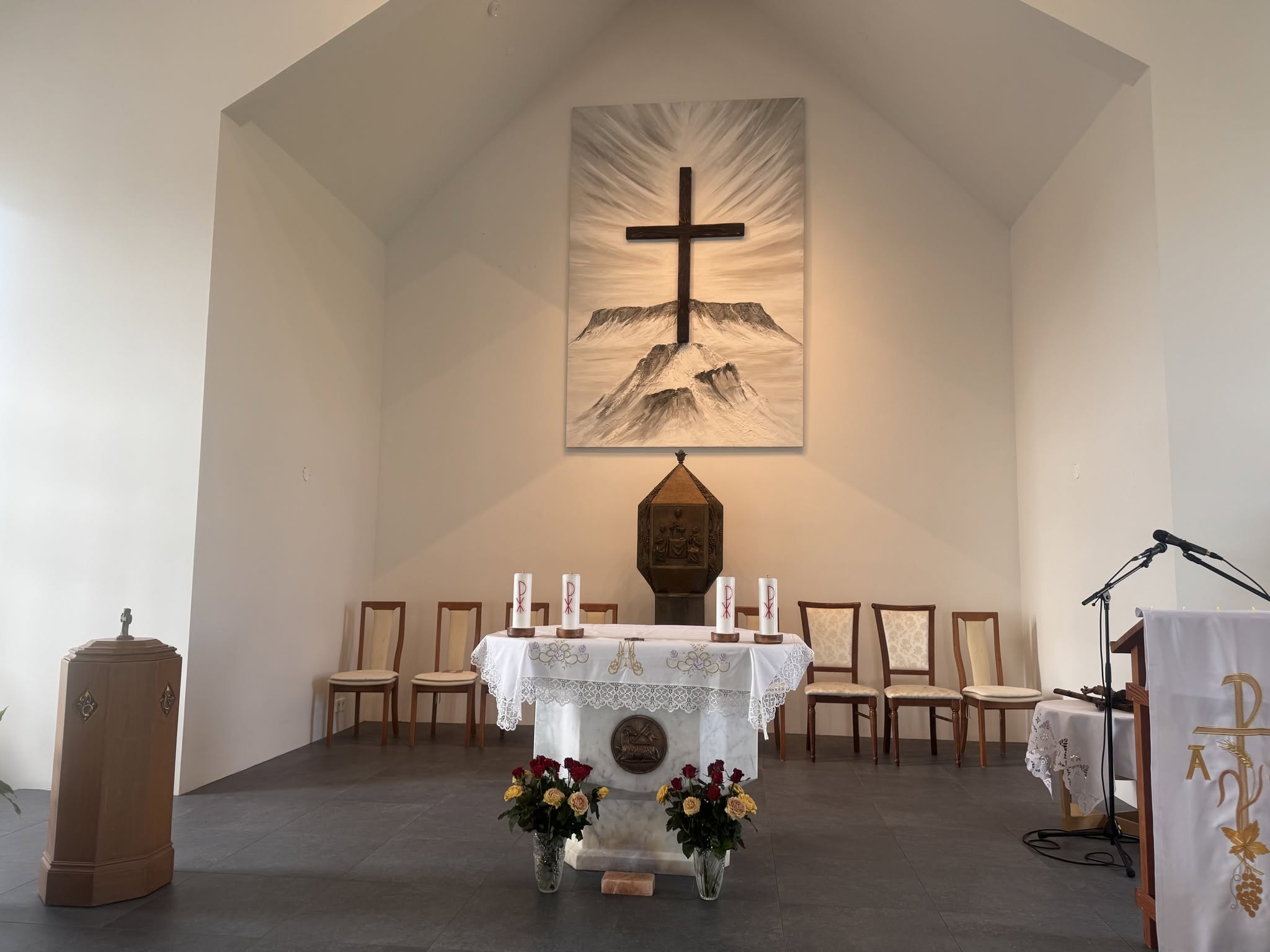
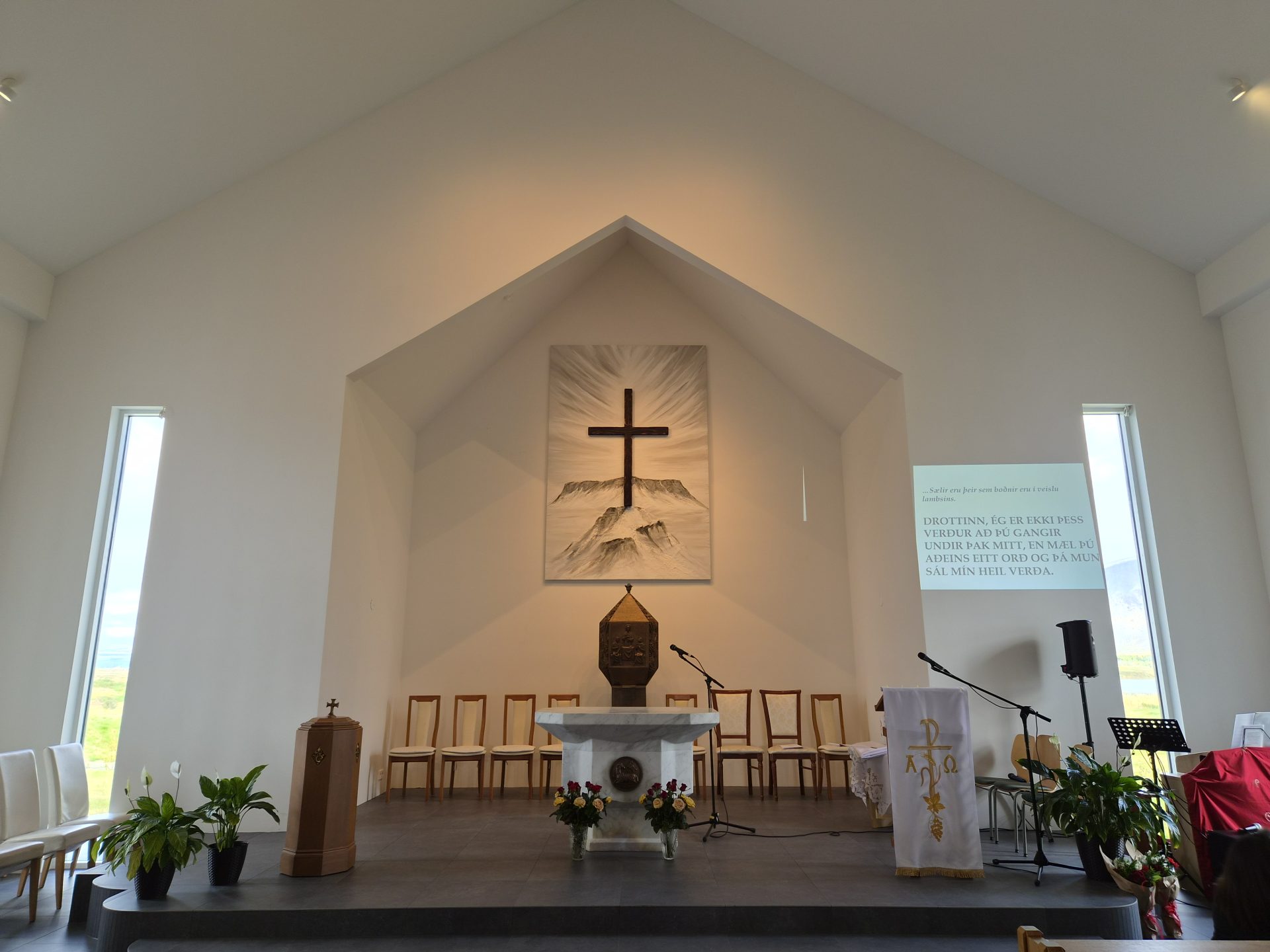
This new church and parish were given the name of the Holy Cross. This can also be seen from the magnificent altarpiece, which is the work of our faithful artist, Unnur Guðný María Gunnarsdóttir. This painting was named after the ancient Christian hymn Ave Crux, Spes unica, which translates to: “Hail, O Cross, our only hope.” This cross is a sign of salvation for us, just as it was for all Jesus’ followers in their darkest moments. It is meant to be the same sign of rescue for us as it was for Moses and his people in the desert, and as it was for the early Christians.
Looking upon it, our hearts should burn, just as the heart of Saint Helena burned when she managed to discover the relics of the Holy Cross in Jerusalem. The sight of it should fill us with enthusiasm and courage, such as filled Emperor Constantine in the year 313 before the decisive Battle of the Milvian Bridge, when, encouraged by a dream, he saw a magnificent cross and heard the words: “In hoc signo vinces” – In this sign you shall conquer.
Yes, it is the same cross that was the hope of our ancestors for centuries, which also accompanies us from our birth and which, we hope, will one day stand on our grave. And therefore, let us also pray together with Saint Francis:
We adore You, O Lord Jesus Christ, and we praise You, because by Your holy Cross You have redeemed the world. Amen.
Pray, please, for me, just as I also pray for you. May God the Father, and the Son, and the Holy Spirit bless you.
Your grateful bishop and brother,
David
Drodzy Bracia i Siostry!
Wczoraj z wielką radością konsekrowaliśmy kościół św. Krzyża w Selfoss. W konsekracji wzięła udział wielka liczba naszych drogich wiernych, gości i dobrodziejów, bez których to piękne dzieło by się nie powiodło. Wspólnie dziękowaliśmy naszemu Bogu za ten ogromny dar.
W gratulacjach i przemówieniach wielokrotnie powtarzało się stwierdzenie, że cieszymy się z pomyślnego zakończenia tego dzieła. I tutaj pozwoliłbym sobie powiedzieć, że głęboko się z tym nie zgadzam! Nie, nie mogę się z tym zgodzić, ponieważ naszym celem nie było jedynie postawienie nowego budynku kościelnego. Nasze ambicje sięgają znacznie wyżej! Nasz trud i wyłożone środki finansowe poszłyby na marne, gdyby na tym miało się to skończyć. To błąd! To wszystko tak naprawdę dopiero się zaczyna.
Ktoś porównał projekty podobne do naszego do sytuacji, w której kobieta robi na drutach ten piękny islandzki sweter, znany jako lopapeysa. Jeśli mógłbym użyć tego porównania, powiedziałbym, że naprawdę jesteśmy dopiero gdzieś na samym początku!
Naszym celem nie było wybudowanie nowego kościoła. Naszym celem było, jest i zawsze będzie budowanie żywego Kościoła. Kościoła podobnego do tego, który narodził się podczas sprawowania pierwszej Eucharystii w Wieczerniku i tak cudownie zajaśniał przed oczami świata w dzień Zesłania Ducha Świętego. To ten sam Kościół co 2000 lat temu, a jednak jest to Kościół nowy i współczesny. Kościół, w którym czas się nie zatrzymał, ale Kościół, który pachnie jak świeże, wiosenne kwiaty. Kościół, który nie jest muzeum pełnym mrocznych obrazów, rzeźb i ciężkich, melancholijnych śpiewów, ale Kościół, w którym dzieci mogą płakać i w którym dzieją się cuda. Kościół, do którego ludzie przychodzą zmęczeni pracą i smutkiem, a odchodzą radośni i gotowi do zmagania się z codziennością.
Tak, nasz Kościół jest i musi być Kościołem, który potrafi obronić się przed wszystkim, co kończy się przyrostkiem „-izm”, jak rasizm i nacjonalizm, kapitalizm i komunizm, liberalizm i tradycjonalizm, relatywizm i fundamentalizm. Potrafi obronić się przed wszystkimi tymi „-izmami” z wyjątkiem jednego jedynego – a jest nim katolicyzm, bo tym właśnie jesteśmy. Jesteśmy Kościołem katolickim i jesteśmy z tego dumni.
Ten nowy kościół i parafia otrzymały wezwanie św. Krzyża. Widać to również na wspaniałym obrazie ołtarzowym, który jest dziełem naszej wierzącej artystki Unnur Guðný Maríi Gunnarsdóttir. Obraz ten otrzymał nazwę od starego chrześcijańskiego hymnu Ave Crux, Spes unica, co w tłumaczeniu oznacza: „Witaj, Krzyżu, jedyna nasza nadziejo”. Ten krzyż jest dla nas znakiem zbawienia, tak jak był dla wszystkich wyznawców Jezusa w ich najtrudniejszych chwilach. Ma być dla nas takim samym znakiem ratunku, jaki miał Mojżesza i jego lud na pustyni oraz jakim był dla pierwszych chrześcijan.
Na jego widok nasze serca mają zapłonąć, tak jak zapłonęło serce św. Heleny, gdy udało jej się odnaleźć relikwie św. Krzyża w Jerozolimie. Widok krzyża ma nas napełnić zapałem i odwagą, jaką napełnił się cesarz Konstantyn w 313 roku przed decydującą bitwą przy moście Mulwijskim, kiedy to pokrzepiony snem ujrzał zachwycający krzyż i usłyszał słowa: „In hoc signo vinces” – W tym znaku zwyciężysz.
Tak, to ten sam krzyż, który przez wieki był nadzieją naszych przodków, który towarzyszy nam od narodzin i który – jak ufamy – stanie kiedyś na naszym grobie. Dlatego i my módlmy się wspólnie ze św. Franciszkiem:
Kłaniamy Ci się, Panie Jezu Chryste, i błogosławimy Tobie, bo przez święty Krzyż Twój odkupiłeś świat. Amen.
Módlcie się, proszę, za mnie, tak jak i ja modlę się za Was. Niech Was błogosławi Bóg Ojciec i Syn, i Duch Święty.
Wasz wdzięczny biskup i brat Dawid
_______________________________________
Photos:
Ágúst Elvar Almy
Lárus Bjarnason
Bonifatiuswerk